
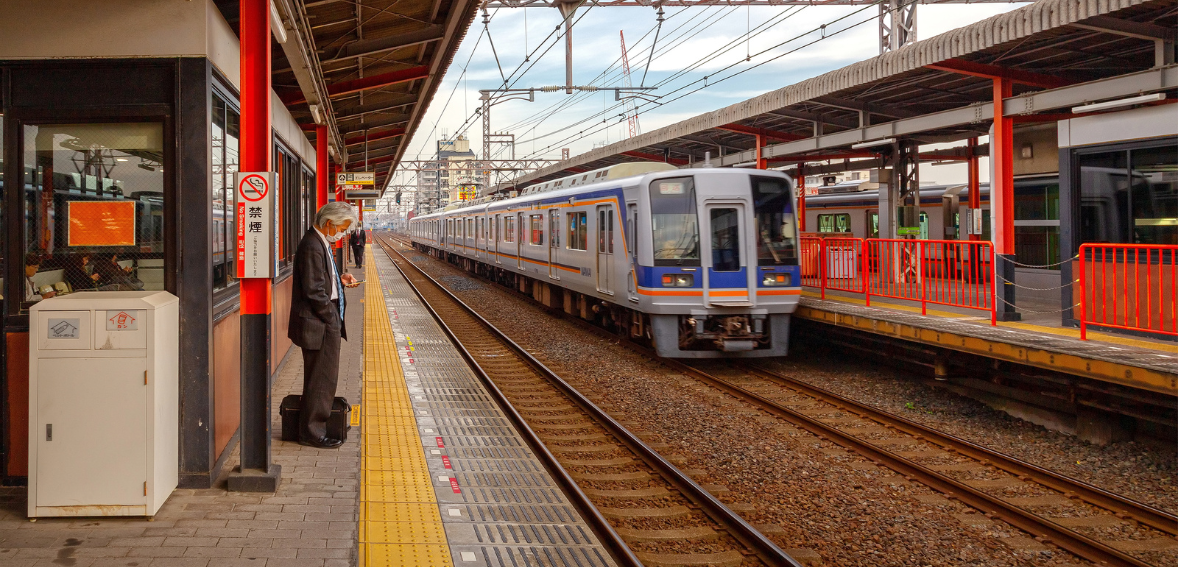
Imagine stepping off a 14-hour flight at Narita Airport, exhausted and jet-lagged, only to be greeted by a maze of train lines, ticket machines, and unfamiliar fare options. For many first-time visitors, Japan’s rail network — one of the most punctual and extensive in the world — can feel completely overwhelming. The good news? Once you understand the three core payment methods — IC cards, the JR Pass, and regional rail passes — getting around Japan becomes effortless, even enjoyable.
This guide breaks down everything you need to know about Japan’s train ticketing system in plain English, so you can travel smarter, spend less, and spend more time experiencing the country itself.
Japan’s Train Network: A Quick Overview

Japan’s rail network spans the entire country, from Hokkaido in the north to Kyushu in the south. The backbone of long-distance travel is the shinkansen, or bullet train, which connects major cities at speeds of up to 320 km/h. For urban travel, a dense web of metro lines, private railways, and JR local trains keeps commuters and tourists moving at all hours.
Japan Railways (JR) is the national network, split into six regional operators: JR East, JR Central, JR West, JR Kyushu, JR Hokkaido, and JR Shikoku. Alongside JR, dozens of private rail companies operate in cities like Tokyo and Osaka. Understanding who runs what is the first step to choosing the right ticket for your trip.
IC Cards: Your Everyday Transport Wallet
An IC card — short for Integrated Circuit card — is Japan’s equivalent of London’s Oyster card or New York’s MetroCard. It is a rechargeable prepaid card that works like a tap-and-go wallet. You load money onto the card and tap it against a reader at any ticket gate. The correct fare is automatically deducted. No paper tickets, no change, no queuing at a machine before every ride.
IC cards also double as e-money. You can use them at convenience stores (7-Eleven, Lawson, FamilyMart), vending machines, coin lockers, taxis, and even some restaurants. This dual functionality makes an IC card arguably the single most useful item to have in your pocket throughout Japan.
Suica
Suica is the flagship IC card issued by JR East. Recognizable by its cheerful penguin mascot and green-and-white design, it is the most widely recognized IC card in Japan. It originally covered JR lines in the Greater Tokyo, Sendai, and Niigata regions, but thanks to a national interoperability agreement established in 2013, it works on virtually all train, bus, and subway lines across Japan’s major cities.
As of March 2025, standard physical Suica cards are once again available for purchase at JR East ticket machines and service centers, following a semiconductor shortage that had disrupted supply from mid-2023 through 2024. JR East also launched the Welcome Suica Mobile app on March 6, 2025, allowing international visitors with iPhones to set up a digital Suica card before they even board their flight to Japan.
Pasmo
Pasmo is Suica’s counterpart, issued by Tokyo’s private rail operators and subway companies. While the two cards are functionally identical for day-to-day use — both work everywhere the other does — the key distinction comes down to commuter passes. If your daily commute runs on JR lines, you need a Suica. If you primarily use Tokyo Metro or private rail lines like Keio or Tokyu, a Pasmo is the more natural choice.
For most tourists, the difference is negligible. The card you grab first — at the airport or the nearest station — will serve you just fine throughout your trip.
ICOCA
ICOCA is issued by JR West and is the go-to IC card for the Kansai region, covering Osaka, Kyoto, Kobe, and surrounding areas. It is available at Kansai International Airport and large JR stations throughout the region. Visitors starting their Japan itinerary in Osaka or Kyoto are better served picking up an ICOCA on arrival rather than searching for a Suica. Like Suica and Pasmo, ICOCA is nationally interoperable and works across Japan.
Welcome Suica and Tourist-Specific Options
The Welcome Suica is a tourist-only version of the standard Suica card. It skips the ¥500 refundable deposit but is valid for only 28 days. Any remaining balance cannot be refunded when you leave. Available at Narita and Haneda airports and select JR stations in Tokyo, it makes a great souvenir with its cherry blossom-themed design. A comparable Tourist Pasmo (called the Pasmo Passport) offers the same perks for visitors who prefer it.
IC Card Comparison at a Glance
| Card | Issued By | Home Region | Deposit | Refundable? |
| Suica | JR East | Tokyo / Sendai | ¥500 | Yes |
| Welcome Suica | JR East | Nationwide | None | No |
| Pasmo | Private Rail | Tokyo Metro | ¥500 | Yes |
| ICOCA | JR West | Kansai (Osaka) | ¥500 | Yes |
| Sugoca | JR Kyushu | Fukuoka / Kyushu | ¥500 | Yes |
The JR Pass: Unlimited Rail Travel for Tourists
The Japan Rail Pass — commonly called the JR Pass — is an unlimited-ride train ticket available exclusively to foreign tourists visiting Japan on a temporary visitor visa. It allows free travel on nearly all JR-operated trains nationwide, including most shinkansen services, limited express trains, rapid trains, and certain JR buses and ferries. It is sold in three durations: 7 days, 14 days, and 21 days, each available in Ordinary class or the more spacious Green Car (first class).
The pass is sold before departure through authorized retailers such as Klook and Japan Experience, or at JR offices inside Japan. After purchase, visitors receive a voucher that must be exchanged for the physical pass at a designated JR Travel Service Center upon arrival.
JR Pass 2025 Pricing
| Pass Duration | Ordinary (Adult) | Green Car (Adult) | Child (6–11) |
| 7-day | ¥50,000 | ¥70,000 | ¥25,000 |
| 14-day | ¥80,000 | ¥112,000 | ¥40,000 |
| 21-day | ¥100,000 | ¥140,000 | ¥50,000 |
Note: Prices reflect the 2023 price increase of approximately 65–70%, which remains in effect through 2025 and 2026. Children under 6 travel free.
What the JR Pass Does NOT Cover
Two important exclusions apply to the standard JR Pass. The Nozomi and Mizuho shinkansen services — the fastest bullet trains on the Tokaido-Sanyo and Sanyo-Kyushu lines — are not included in the base pass. Riders can now access these services for an additional fee of ¥4,960, though many travelers find this costly. Additionally, the JR Pass does not cover private rail lines, most subway systems, or buses operated by non-JR companies. Budget for IC card top-ups to cover local transport within each city.
Is the JR Pass Worth It in 2025?
The honest answer is: it depends entirely on your itinerary. Following the steep price increases of 2023, the JR Pass no longer represents automatic savings for every traveler. The popular Tokyo-Kyoto-Osaka round trip on individual tickets can often come in cheaper than a 7-day pass. However, for fast-paced itineraries covering multiple regions — such as Tokyo, Kyoto, Hiroshima, and Kyushu over 10 to 14 days — the pass can still deliver meaningful value alongside the convenience of not purchasing individual tickets at every stop.
The clearest signal to buy the JR Pass is if your itinerary includes three or more long-distance shinkansen journeys. Travelers focusing on a single city or region are almost always better served by regional passes or individual fares. Before buying, always run your planned routes through the free JR Pass Calculator at japan-guide.com to compare actual costs.
JR Pass Value: Sample Route Comparison
| Itinerary | Individual Tickets | 7-day JR Pass | Better Option |
| Tokyo → Kyoto → Osaka (RT) | ¥44,000 | ¥50,000 | Individual |
| Tokyo → Kyoto → Hiroshima → Osaka | ¥55,000 | ¥50,000 | JR Pass |
| Tokyo → Nagano → Kanazawa (RT) | ¥36,000 | ¥50,000 | Individual |
| Tokyo → Kyoto → Hiroshima → Fukuoka | ¥65,000+ | ¥50,000 | JR Pass |
Estimates based on standard Hikari/Kodama shinkansen fares as of 2025. Always verify via JR’s official fare search.
Regional Rail Passes: Precision Travel for Focused Itineraries

Japan offers more than 20 regional rail passes designed for travelers exploring a specific part of the country. These passes tend to be significantly cheaper than the national JR Pass and are often the smarter choice for visitors spending most of their time in one area. Regional passes are issued by individual JR companies and cover trains, and sometimes buses and ferries, within a defined geographic zone.
Kansai Area Pass and Kansai Wide Area Pass
The Kansai Area Pass covers unlimited JR travel across Osaka, Kyoto, Kobe, Nara, and Wakayama for 1 to 4 days at prices ranging from around ¥2,400 to ¥8,000. The Kansai Wide Area Pass extends this to include Hiroshima and the Hokuriku coast for a 5-day window at around ¥13,500. Both are excellent for visitors basing themselves in Kyoto or Osaka and taking multiple day trips.
JR Kyushu Pass
Covering the entirety of Kyushu island, the JR Kyushu Pass includes shinkansen travel to Fukuoka, Kumamoto, Kagoshima, and Nagasaki, as well as scenic limited express trains like the Yufuin no Mori. It is available for 3, 5, or all of Kyushu’s northern or southern zones, making it highly customizable for island-wide exploration.
Hokuriku Arch Pass
The Hokuriku Arch Pass covers the scenic route from Tokyo to Kanazawa via the Hokuriku Shinkansen, extending through to Osaka and Kyoto. Valid for 7 days, it is a popular choice for travelers wanting to combine cultural highlights like Kanazawa’s samurai district with the classic Kansai cities.
Popular Regional Passes for Tourists
| Pass Name | Coverage Area | Duration | Approx. Price |
| Kansai Area Pass | Osaka, Kyoto, Nara, Kobe | 1–4 days | ¥2,400–¥8,000 |
| Kansai Wide Area Pass | Kansai + Hiroshima | 5 days | ¥13,500 |
| Hokuriku Arch Pass | Tokyo ↔ Osaka via Kanazawa | 7 days | ¥24,500 |
| JR Kyushu Pass (All) | All of Kyushu | 3 or 5 days | ¥18,000–¥21,000 |
| Mt. Fuji Area Pass | Fuji Five Lakes, Hakone | 1–3 days | ¥5,346–¥9,720 |
Practical Tips for Navigating Japan by Train
Activating your JR Pass correctly is crucial. Do not activate it on your arrival day if your first long-distance journey is the following morning. The pass validity runs from midnight to midnight, so activating it a day late can save an entire calendar day. When you exchange your voucher at a JR Travel Service Center, specify your desired start date.
Seat reservations on shinkansen are free with a JR Pass and can be made at any JR ticket office or via the JR website. While unreserved seating is available, reserved seats are worth the effort during peak travel seasons such as Golden Week (late April to early May), Obon (mid-August), and the New Year holiday period.
Always keep your IC card topped up. Most station vending machines and convenience stores accept cash top-ups. If you run out of balance mid-journey, a fare adjustment machine inside the ticket gates can process a quick top-up before you exit. Physical IC card top-ups require Japanese yen cash; only the digital Welcome Suica via the mobile app supports foreign credit cards.
For the latest schedules, fares, and real-time train information, the Hyperdia and Google Maps apps are both excellent tools. Google Maps in Japan is particularly accurate for transit directions, including rail, bus, and walking times between stations.

Conclusion
Japan’s train system is not just a way to get from A to B — it is an experience in itself. The Shinkansen’s silent precision, the seamless IC card tap-and-go experience, and the sheer density of destinations reachable by rail make navigating Japan a genuine pleasure, once you know the rules.
For most visitors, the winning combination is an IC card paired with either the JR Pass or a targeted regional pass depending on your itinerary. Use the IC card for all city-level travel and everyday spending. Use the JR Pass only if you’re covering three or more major regions within a short window. Opt for regional passes when your trip is focused on a single area. With the right setup in place before you land, Japan’s trains will feel less like a puzzle and more like the adventure they are meant to be.
Useful Resources
• JR Pass Calculator — compare pass vs individual fares: japan-guide.com/railpass
• Official JR Pass pricing and types: japanrailpass.net
• IC Card coverage and compatibility guide: japan-guide.com/e/e2359
Frequently Asked Questions
Can I use an IC card to travel on the Shinkansen?
IC cards cannot be used to pay shinkansen fares directly at the ticket gate for most routes. However, JR East’s “Touch de Go” service allows IC card users to ride unreserved seats on certain Tohoku and Joetsu Shinkansen trains after a one-time setup at a ticket machine. For all other shinkansen routes, you will need a separate ticket or a JR Pass.
Do I need to buy the JR Pass before arriving in Japan?
You can purchase the JR Pass inside Japan at major JR Travel Service Centers, but the price is slightly higher than buying abroad through authorized online retailers. Purchasing before you leave from platforms like Klook or Japan Experience typically offers a modest discount and saves time upon arrival. The pass must be exchanged for the physical ticket at a JR office regardless of where you buy it.
What happens if my IC card runs out of balance at a gate?
If you tap out at your destination and have insufficient balance, the gate will beep and remain closed. Look for a fare adjustment machine inside the gate area — these are designed precisely for this situation. Insert cash to bring your balance into the positive, then tap out normally. It is a stress-free process and far more common than visitors expect.
Is the IC card interoperable across all of Japan?
The ten major IC cards — including Suica, Pasmo, ICOCA, Sugoca, Kitaca, and others — have been mutually compatible since 2013. A Suica card purchased in Tokyo will work seamlessly at station gates in Osaka, Fukuoka, Sapporo, and virtually every major city in Japan. A small number of rural lines and older transit systems do not yet support IC card payment, but these are rare exceptions rather than the rule.
{ “@context”: “https://schema.org”, “@type”: “Article”, “@id”: “https://mumstravels.com/navigating-japans-trains-ic-cards-jr-pass-regional-passes/”, “headline”: “Navigating Japan’s Trains: IC Cards, JR Pass & Regional Passes”, “description”: “The complete 2025 traveler’s guide to Japan’s train ticketing system — IC cards (Suica, Pasmo, ICOCA), the JR Pass, and regional rail passes. Includes 2025 pricing tables, route value comparisons, and practical tips for first-time visitors.”, “image”: [ “https://mumstravels.com/wp-content/uploads/2026/04/japan-trains-ic-cards-guide.jpg”, “https://mumstravels.com/wp-content/uploads/2026/04/jr-pass-shinkansen-2025.jpg”, “https://mumstravels.com/wp-content/uploads/2026/04/japan-regional-rail-passes.jpg” ], “datePublished”: “2026-04-27”, “dateModified”: “2026-04-27”, “author”: { “@type”: “Person”, “name”: “Le Kyau”, “url”: “https://mumstravels.com/about-us/” }, “publisher”: { “@type”: “Organization”, “name”: “Mums Travels”, “url”: “https://mumstravels.com/”, “logo”: { “@type”: “ImageObject”, “url”: “https://mumstravels.com/wp-content/uploads/2025/06/cropped-3-7677440.png”, “width”: 600, “height”: 60 } }, “mainEntityOfPage”: { “@type”: “WebPage”, “@id”: “https://mumstravels.com/navigating-japans-trains-ic-cards-jr-pass-regional-passes/” }, “articleSection”: “Japan”, “articleBody”: “A complete guide to navigating Japan’s train system using IC cards such as Suica, Pasmo, and ICOCA, the Japan Rail Pass, and regional rail passes. Covers 2025 pricing, route comparisons, shinkansen tips, and practical advice for international visitors.”, “wordCount”: 1700, “inLanguage”: “en-US”, “isAccessibleForFree”: true, “keywords”: [ “Japan train guide”, “IC card Japan”, “Suica card”, “Pasmo card”, “ICOCA card”, “JR Pass 2025”, “Japan Rail Pass worth it”, “regional rail passes Japan”, “Kansai Area Pass”, “shinkansen travel tips”, “Japan travel 2025”, “Welcome Suica”, “JR Pass price 2025”, “navigating Japan trains”, “Japan public transport guide” ], “about”: [ { “@type”: “Thing”, “name”: “Japan Rail Pass”, “sameAs”: “https://en.wikipedia.org/wiki/Japan_Rail_Pass” }, { “@type”: “Thing”, “name”: “Suica”, “sameAs”: “https://en.wikipedia.org/wiki/Suica” }, { “@type”: “Thing”, “name”: “Shinkansen”, “sameAs”: “https://en.wikipedia.org/wiki/Shinkansen” }, { “@type”: “Thing”, “name”: “IC Card”, “sameAs”: “https://en.wikipedia.org/wiki/IC_card” } ], “mentions”: [ { “@type”: “Organization”, “name”: “JR East”, “sameAs”: “https://en.wikipedia.org/wiki/East_Japan_Railway_Company” }, { “@type”: “Organization”, “name”: “JR West”, “sameAs”: “https://en.wikipedia.org/wiki/West_Japan_Railway_Company” }, { “@type”: “Organization”, “name”: “JR Kyushu”, “sameAs”: “https://en.wikipedia.org/wiki/Kyushu_Railway_Company” }, { “@type”: “Product”, “name”: “Suica Card”, “description”: “Rechargeable prepaid IC transit card issued by JR East, usable on trains, buses, and as e-money across Japan.”, “brand”: { “@type”: “Brand”, “name”: “JR East” } }, { “@type”: “Product”, “name”: “Welcome Suica”, “description”: “Tourist-only version of the Suica card. Valid for 28 days, no deposit required, no refunds on balance.”, “brand”: { “@type”: “Brand”, “name”: “JR East” } }, { “@type”: “Product”, “name”: “Pasmo Card”, “description”: “Rechargeable prepaid IC transit card issued by Tokyo’s private rail operators, interoperable with Suica nationwide.”, “brand”: { “@type”: “Brand”, “name”: “PASMO Co.” } }, { “@type”: “Product”, “name”: “ICOCA Card”, “description”: “Rechargeable prepaid IC transit card issued by JR West for the Kansai region, interoperable nationwide.”, “brand”: { “@type”: “Brand”, “name”: “JR West” } }, { “@type”: “Product”, “name”: “Japan Rail Pass”, “description”: “Unlimited-ride rail pass for foreign tourists covering most JR trains including the shinkansen, available in 7, 14, and 21-day durations.”, “brand”: { “@type”: “Brand”, “name”: “Japan Railways Group” } } ], “hasPart”: [ { “@type”: “WebPageElement”, “cssSelector”: “#japan-train-network”, “name”: “Japan’s Train Network Overview” }, { “@type”: “WebPageElement”, “cssSelector”: “#ic-cards”, “name”: “IC Cards: Suica, Pasmo, ICOCA” }, { “@type”: “WebPageElement”, “cssSelector”: “#jr-pass”, “name”: “The JR Pass: 2025 Pricing and Value” }, { “@type”: “WebPageElement”, “cssSelector”: “#regional-passes”, “name”: “Regional Rail Passes” }, { “@type”: “WebPageElement”, “cssSelector”: “#practical-tips”, “name”: “Practical Tips for Navigating Japan by Train” }, { “@type”: “WebPageElement”, “cssSelector”: “#faq”, “name”: “Frequently Asked Questions” } ], “mainEntity”: { “@type”: “FAQPage”, “mainEntity”: [ { “@type”: “Question”, “name”: “Can I use an IC card to travel on the Shinkansen?”, “acceptedAnswer”: { “@type”: “Answer”, “text”: “IC cards cannot pay shinkansen fares directly at most ticket gates. JR East’s ‘Touch de Go’ service allows IC card users to ride unreserved seats on certain Tohoku, Akita, Yamagata, Joetsu, and Hokuriku Shinkansen trains after a one-time setup at a ticket machine. For all other shinkansen routes, a separate ticket or JR Pass is required.” } }, { “@type”: “Question”, “name”: “Do I need to buy the JR Pass before arriving in Japan?”, “acceptedAnswer”: { “@type”: “Answer”, “text”: “You can purchase the JR Pass inside Japan, but the price is slightly higher than buying abroad through authorized online retailers such as Klook or Japan Experience. The pass must always be exchanged for a physical ticket at a JR Travel Service Center upon arrival in Japan, regardless of where it was purchased.” } }, { “@type”: “Question”, “name”: “What happens if my IC card runs out of balance at a ticket gate?”, “acceptedAnswer”: { “@type”: “Answer”, “text”: “If your IC card has insufficient balance when you tap out, the gate will remain closed. Look for a fare adjustment machine inside the gate area, insert Japanese yen cash to bring your balance positive, then tap out normally. It is a straightforward process available at all major stations.” } }, { “@type”: “Question”, “name”: “Is the IC card interoperable across all of Japan?”, “acceptedAnswer”: { “@type”: “Answer”, “text”: “Yes. Since 2013, Japan’s ten major IC cards — including Suica, Pasmo, and ICOCA — have been mutually compatible. A Suica card purchased in Tokyo works at station gates in Osaka, Fukuoka, Sapporo, and virtually every major city in Japan. A small number of rural lines do not yet support IC card payment.” } } ] }, “breadcrumb”: { “@type”: “BreadcrumbList”, “itemListElement”: [ { “@type”: “ListItem”, “position”: 1, “name”: “Home”, “item”: “https://mumstravels.com/” }, { “@type”: “ListItem”, “position”: 2, “name”: “Japan”, “item”: “https://mumstravels.com/category/japan/” }, { “@type”: “ListItem”, “position”: 3, “name”: “Navigating Japan’s Trains: IC Cards, JR Pass & Regional Passes”, “item”: “https://mumstravels.com/navigating-japans-trains-ic-cards-jr-pass-regional-passes/” } ] } }
nnt9gi
If you are looking for some excitement and a reliable place to play, this is it. The winning streaks here are unbelievable. Check out phphfieryph
PS99bet, another one in the mix. Is it legit though? Anyone had good experiences with it? Always a little skeptical trying out new places. I will research alittle more before trying it out. See their website with this link ps99bet
Tengo una tarde libre entre una caminata y una cena, y dudo entre una ruta guiada en moto de agua o un alquiler corto. La opcion larga parece atractiva, pero no quiero que las esperas y los traslados ocupen la tarde. Necesito una decision practica y un margen comodo antes de mi siguiente plan. He visto opciones desde Los Gigantes. Para comparar tiempos abri una referencia sobre rutas de jet ski. Quiero saber cuanto dura todo desde la llegada hasta el regreso. El horario debe ser realista. El punto de reunion tiene que ser accesible. La espera inicial deberia ser clara. La explicacion debe ser ordenada. El recorrido tiene que ser interesante. El grupo deberia ir moderado. El mar debe estar seguro. El traslado final debe ser puntual. El margen antes de cenar debe ser prudente. La reserva ha de ser detallada. La informacion final debe ser amable. La ruta debe dejar una sensacion segura. El regreso debe sentirse comodo. ?Cuanto margen dejaron ustedes antes de otro plan? ?Las vistas compensaron la menor flexibilidad? Quedo atento a experiencias guiadas.
I am editing a remote podcast interview for a local history group. The conversation is clear and worth keeping, but a few transitions contain tiny digital ticks and a light shimmer around some consonants. Because the guest speaks quietly, I do not want aggressive processing to make the voice sound flat or distant. I have been reading about different ways to inspect a recording and came across a neutral cleanup overview. I am not looking for a one-click promise; I need a sensible review process before I touch the final edit. Would you begin with visual inspection, careful listening, or short comparison exports? The recorded voice needs to stay natural. Each targeted repair should be easy to undo. I can work on matching troublesome moments at a time. The dialogue must remain even. I would prefer subtle adjustments over broad filtering. A short comparison export would help with judgment. I also need simple notes for the producer. The room tone should remain soft. The final episode must still sound human. Each decision should remain clear to explain. I can review it at moderate volume. I can accept a trace of noise if the words remain easy to follow. What has worked well when a spoken recording needs selective repair? I appreciate any measured advice.
We spent an evening reviewing natural hair shades because she wants a modest update before her wedding. She is currently dark blonde, and she does not want guests to notice a sudden or theatrical change. The difficulty is that one sample looks much darker in phone photographs, so everyone reaches a different conclusion. One relative prefers a few lighter pieces, while the photographer advised keeping the overall contrast familiar. We decided to stop voting from separate screenshots and compare the same references on the same phone display. Her dress is muted cream, and the ceremony includes both a dim room and outdoor portraits. That combination makes consistency across lighting more important than chasing a fashionable label. We used hair colour analysis as a neutral starting point. Next we will photograph three hair swatches in late-afternoon light. The stylist can then judge whether subtle lowlights is the safest choice. We also plan to keep the makeup light during the test. Does anyone have a daylight routine that avoids misleading wedding photos?
I help a community archive prepare old concert recordings for private sharing with former performers. One recording has a lovely room sound and an expressive singer, yet several quiet passages contain small digital chirps that pull attention away from the music. I want to improve listenability without polishing away the atmosphere that makes the recording meaningful. During my research I found a neutral cleanup overview. It seems relevant, although I would rather hear from people who have restored imperfect live material. My question is how to set a sensible stopping point. The historic ambience is valuable. A separate sample can guide the first decision. I can compare several passages before processing the full file. The restoration should remain subtle. Any change must respect timing. I need documented settings for future copies. A controlled listening pass may expose unwanted side effects. The audience reactions should stay soft. The singer’s voice must remain believable. Each adjustment should remain quick to document. I will compare it at moderate volume. I would rather preserve a little imperfection than make the result sterile. How do you decide when a restoration has become too processed? Thank you for practical restoration notes.
Hola a todos, cuento con dos ninos chicos y estamos decidiendo unas vacaciones en Tenerife. Me apetece bastante hacer alguna actividad en familia, y he visto que hay safaris en moto acuatica que parecen animados y especiales. Sin embargo, tengo dudas sobre si estas excursiones permiten ninos de tan corta edad como los mios, que tienen menos de 6 anos. ?Alguien sabe si las companias que ofrecen estas excursiones permiten que suban ninos tan pequenos? Tambien me preocupa el aspecto de la seguridad: ?que tipo de equipo de proteccion y medidas se ofrecen para los ninos durante el recorrido? He encontrado algo de contenido en la pagina de consultas habituales de una empresa especializada, pero no queda muy claro si existen restricciones de edad o adaptaciones especificas jet ski цена . Si alguna familia ha vivido esta actividad con sus hijos, ?podrian relatarnos su experiencia y que indicaciones pueden dar? Me gustaria saber si es realmente seguro y si es mas apropiado otro entretenimiento acuatico para los peques. ?Gracias por toda orientacion o experiencia que puedan ofrecer!
Me alojare en Puerto de la Cruz y quiero hacer una salida en moto de agua en el sur, pero viajare con una mochila pequena. Lo complicado es encajar traslado y regreso. No quiero convertir una excursion bastante simple en un dia de esperas. Para ordenar el itinerario consulte una referencia para comparar salidas acuaticas. Necesito confirmar que el punto de reunion queda a un trayecto corto a pie. Tambien me interesa saber si la empresa ofrece una consigna seca para dejar ropa y telefono. Una zona para cambiarse seca facilitaria el plan. Llegaria con margen, aunque agradeceria instrucciones precisas. La confirmacion deberia incluir un numero atendido ese dia. Mi espanol es suficiente, pero una charla de seguridad sin prisas me ayudaria. Antes de pagar preguntare la duracion total. El regreso deberia permitir una conexion realista. El billete de vuelta tendra un horario realista. Si hay retrasos por el mar, prefiero una politica clara. Llevare unicamente lo basico. Tampoco necesito fotos ni extras dificiles de transportar. ?Alguien ha hecho este plan sin coche? Me servirian consejos sinceros sobre horarios y puntos de encuentro.
I am organizing a small set of generated stems for a remote collaborator, and one vocal stem has a narrow high-frequency fizz. The musical idea is fine, so I would rather not replace the whole take. In my first pass, I reviewed the vocal entry carefully. Before choosing a treatment, I left the original file in the same folder. My collaborator needs to judge the writing and balance, not spend the first listen wondering whether the roughness is intentional. I have already checked the original export, renamed the versions clearly, and listened through speakers as well as headphones. The noise remains in the same place, although it becomes less obvious at lower levels. While looking for a practical explanation, I came across fixsuno.top and used it to frame the questions I should ask before touching the file. My tentative plan is to keep the source stem, make one restrained repair copy, and label the result so nobody mistakes it for a new performance. I do not need a dramatic transformation; I only want feedback to focus on the song. For people who exchange demos regularly, what is a practical handoff routine? Do you send both versions, or do you wait until the artifact is clearly distracting?
Feeling really lucky today! This site has a great atmosphere and the games are super addictive in a good way. Five stars. pkluckyi8game
I sell a few inherited vintage garments online during weekends. A recent burgundy listing shifted toward violet when I checked it on a tablet. It was a small discrepancy, but accurate descriptions matter for second-hand items. I cannot reasonably buy specialist equipment for an occasional weekend sale. Each garment is photographed beside a grey reference with automatic filters disabled. The neutral reference reduces obvious shifts, and subtle undertones are still difficult to describe without sounding overly certain. I used this deep summer color palette page to build a small vocabulary list. I do not intend to match garments to strangers or promise universal suitability. I plan to use a plain color name plus a careful note about its warmer or cooler cast. I will also keep the grey card visible in one unedited reference photograph. This seems more honest than forcing every garment into an exact palette category. How do small vintage sellers describe undertones without creating false precision? Examples of careful color language for muted reds and browns would be very useful.
Hola a todos, soy madre de dos criaturas pequenas y estamos pensando en unas vacaciones en Tenerife. Me apetece bastante hacer alguna actividad en familia, y he visto que hay safaris guiados en jetski que parecen divertidos y diferentes. Sin embargo, quiero saber si estas excursiones aceptan ninos tan chicos como los mios, que no llegan a los 6 anos. ?Alguien sabe si las empresas que gestionan estos tours permiten que se incluyan ninos de tan corta edad? Tambien me genera dudas la parte de seguridad: ?que tipo de equipamiento de seguridad y normas se ofrecen para los ninos durante el recorrido? He encontrado cierta informacion en la pagina de consultas habituales de una empresa especializada, pero no queda muy claro si adaptan los jetski o si hay limites estrictos de edad how old do i have to be to ride a jet ski . Si alguna familia ha participado en esto con sus pequenos, ?podrian decirnos como fue y que recomendaciones harian? Me vendria bien conocer si es realmente seguro y si es mas conveniente otra opcion acuatica para los peques. ?Gracias por cualquier sugerencia o experiencia que compartan!
I joined a small listening club that compares ordinary headphones with simple spectrogram views, and we recently noticed a few unusual streaks in AI-generated music. We are not trying to diagnose every mark as a problem. Instead, we want to learn which visual details deserve another careful listen. I found this workflow note while searching for explanations that do not promise certainty. It helped me frame the image as one clue rather than a verdict. I usually play a short section first, then inspect the same place on the display. The comparison habit should stay patient. Each brief observation needs an audible reason. I compare matching passages before drawing conclusions. The process remains practical for new members. A short listen can prevent us from chasing an imaginary issue. We keep simple notes about what we actually heard. The group should remain friendly. Our examples need to stay relevant. Every small observation remains simple to revisit. I keep one note available for discussion. I would rather ask a question than claim certainty from one picture. How did you learn to connect what you hear with what you see without turning the display into a shortcut? Practical listening exercises would help.
I would like to take undertone photos without letting my phone decide the colours. I have noticed that automatic settings can hide the differences I am looking for. I plan to use indirect daylight near one window rather than direct sun. I intend to leave off filters, flash, portrait mode, and beauty adjustments. A small grey reference seems more dependable than judging one image in isolation. I also plan to repeat the setup on another day before drawing any conclusion. A skin undertone test camera would help me keep the setup consistent while I gather my own observations. There are obvious limits to comparing colour through a camera and screen. Looking at matched photos together should reveal whether the change is actually consistent. Do you lock exposure, use a neutral reference, or simply compare several sessions? I am especially interested in advice that does not require special equipment. I will avoid changing the setup halfway through the small experiment. I am grateful for straightforward advice that avoids overpromising.
I gave myself a little time looking through the deeper shades I already own. Initially I felt that the Deep Winter label fitted me immediately. Even so, charcoal sweaters appear polished although black near my face sometimes feels too heavy. I checked how navy, espresso, gray, and muted plum changed my complexion. Those quick photographs made me see why a single label is only a starting point. I also bookmarked this color analysis as a way to compare details without chasing a quick label. For everyday choices I may favor a softer dark range, then keeping only the strongest colors that still feel natural. I would be interested if others have found a practical way to tell close dark palettes apart? I am deliberately leaving bright lipstick, dramatic jewelry, and online quizzes out of this first comparison. Those may be useful later, but right now I only need a repeatable view of familiar clothing in ordinary daylight. A few careful notes feel more useful than a dramatic makeover or a rushed decision about every future purchase.
Viajare en tren para una escapada rural y estoy valorando dormir en un alojamiento burbuja, pero no llevare coche. La idea me gusta porque quiero desconectar una noche, aunque necesito calcular muy bien los ultimos kilometros y la hora de llegada. Algunas propiedades parecen preciosas, pero no explican si hay taxis fiables o recogida cercana. Para comparar opciones abri esta guia de alojamientos burbuja. Me ayudaria conocer experiencias de personas que llegaron sin vehiculo propio. La estacion debe quedar a una distancia razonable. El traslado tendria que ser seguro. La ruta final debe estar iluminada. La llegada necesita un horario previsible. El anfitrion deberia responder de forma atenta. El equipaje debe poder llevarse con ayuda. La parcela tendria que sentirse ordenada. La noche debe resultar templada. El desayuno deberia ajustarse a un horario practico. La salida tiene que ser puntual. El regreso a la estacion deberia estar confirmado. La informacion local debe ser breve. El conjunto tiene que inspirar una sensacion serena. ?Que margen de tiempo dejaron para llegar y volver al tren? Agradezco referencias sobre traslados.
Finally found a site that doesn’t lag during big wins. The interface is super clean and easy to navigate. I highly recommend phtaya09 to everyone.
Buscamos una pausa corta para pasar tiempo juntos sin planes complicados. Elegimos Granada por la cercania y por la idea de combinar paisaje y descanso. Nos atrae la experiencia, pero preferimos tener expectativas realistas. Antes de escribir a varios sitios lei una guia de hotel burbuja granada y entendi que detalles merece la pena confirmar antes de reservar. Nos interesa confirmar que el descanso no dependa solo de una noche templada. Preguntaremos si las indicaciones de acceso son claras para una llegada tardia. Nos fijaremos en la separacion entre las unidades y las zonas comunes. Queremos comentarios recientes que expliquen la comodidad de forma concreta. No queremos que un solo detalle nos haga olvidar las condiciones basicas. Despues compararemos solo dos o tres lugares usando las mismas preguntas. Si alguien conoce la zona, me ayudaria saber que detalle practico le resulto importante. Con una preparacion razonable, esperamos una noche sencilla y agradable sin idealizarla.
Before spending on another foundation sample I would like a steadier way to check my undertone. Photos from my phone sometimes turn different in the kitchen than they do near a window. I am planning to use the same window and a plain neutral wall. I want to place two neutral fabrics close to my jawline in each photo. Rather than calling the first result final I want to compare images made under nearly identical conditions. For a basic checklist, this skin undertone test camera helps me focus on the setup before judging the result. Only after the comparison will I ask for samples that match the patterns I observed. If this method sounds familiar, could you say whether a better neutral reference for this kind of home test? I know a camera cannot replace seeing real skin in changing light, and I am not expecting a perfect answer from one home experiment. My goal is simply to make the next store visit less confusing. Keeping a short record of conditions should also help me recognize when a surprising result is probably caused by lighting rather than my actual coloring.
I have been comparing Deep Summer with Soft Winter for a few evenings in ordinary daylight. Similar cool shades begin to overlap when I compare them in person. For consistency, I used the same window light on two separate days. To reduce distractions, I compared the shades without makeup or statement accessories. Deep shades gave contrast, although a few made my under-eye shadows more noticeable. Softer blue and berry fabrics felt comfortable, but I may simply prefer them. Rather than naming a season first, I noted contrast, texture, and eye clarity. An organised color analysis might help me test the same questions again under consistent conditions. I would treat any result as a starting point rather than a verdict. What practical comparison made adjacent cool seasons easier to separate for you? Experiences with ordinary indoor daylight would help me most. I would prefer a reliable routine over a confident but rushed conclusion. I hope that a slower record will make my final comparison less influenced by mood. I appreciate ideas from people who have worked through similar uncertainty.
I have been trying to understand my color season, but the results keep shifting between two neighboring palettes. One tool places me in Soft Summer while another leans toward Soft Autumn. My complexion seems quite neutral and both muted ranges seem plausible in indoor light. I tested with a handful of daylight images but camera settings may be influencing what I see. Before ordering more clothes I would like a more repeatable way to compare the options. seasonal palette test seems like a useful reference rather than a final verdict. Would you treat undertone as the first clue or compare chroma and contrast before temperature? I can gather some simple color drapes so I am happy to do a careful home check. A bright window gives neutral light and I can keep the camera exposure fixed. Which observations would help you decide that one muted season is more accurate than the other? I would appreciate concrete testing ideas from people who have worked through a similar overlap. A final point is avoiding changes caused only by camera white balance. I would also like to know how many comparisons are usually enough before a pattern becomes clear. Practical examples would be helpful
I have three versions of a generated instrumental, and one of them seems to carry a brittle shimmer near the end of a transition. It may be minor but I do not want to choose a version only because a display looks cleaner. First I plan to mark the time range and listen at a normal level on the same pair of speakers. With fresh ears I can compare the passage with headphones and decide whether the texture is actually noticeable in the music. A visual view may help me find the passage but I would treat it as a pointer, not a verdict. The listening comparison still matters most. I am reading about ways to remove suno artifacts while keeping the decision tied to what listeners hear. If I try a repair I will compare it against the untouched version before picking an export. That approach keeps the comparison honest rather than turning a minor texture into a full remaster. How do you avoid overreacting to a visual cue?
Estoy pensando en regalarme una noche tranquila despues de unas semanas intensas. Vivo cerca de Barcelona y busco una opcion razonable para llegar en coche. Al ir sola necesito entender bien los accesos y las zonas comunes. Para ordenar las dudas busque informacion sobre hotel burbuja barcelona y me ayudo a preparar una comparacion mas realista. Me interesa confirmar como resuelven las zonas visibles desde caminos proximos. Tambien comprobare la iluminacion exterior para una llegada despues del anochecer. Para esta salida la calma importa mas que tener un programa lleno de planes. Una ficha clara sobre higiene me inspira mas confianza que cualquier promocion. Revisare la cancelacion y los servicios incluidos antes de elegir una fecha. Llevare ropa comoda para las horas frescas y no esperare condiciones perfectas. Comparare las respuestas para ver cual explica mejor sus condiciones. Si alguien viajo sola, agradeceria conocer su impresion sincera. No busco perfeccion; me basta con sentirme comoda desde que aparco hasta que me voy.
Had a huge win last night and the withdrawal was processed almost instantly. Truly a professional platform. Definitely visit phwinjiliph.
If you love slots then you need to visit this place. The graphics are amazing and the hit rate feels very balanced. cc777slot is where it is at.
I am planning a capsule wardrobe and want to confirm my season before choosing the main colors. Most quick quizzes place me in autumn although the exact subtype changes. Muted camel and forest green suit me but mustard and strong rust can make my complexion look uneven. Because I want fewer clothes each neutral and accent needs to combine easily with the others. autumn seasonal palette helps me group the likely shades but I would like to validate the direction with actual fabric. My first idea is to compare cream, warm navy, chocolate, olive, muted teal, and brick. I plan to document every drape in indirect daylight using the same camera settings. When choosing everyday neutrals should I focus more on skin clarity or on harmony with my hair and eyes? I need two useful accent shades that can work across casual and slightly formal outfits. A subdued turquoise may work while brick red may be easier than orange. Would these drapes confirm the direction or should I add a cooler control color for comparison? A short practical test list would help me avoid buying colors based only on a label. The main goal is practical coordination rather than following every suggested autumn shade. Thanks for any practical advice
Finally found a platform that doesn’t lag during peak hours. The game variety is insane and the payouts are processed quickly. Definitely giving 288jilicasino a go again tomorrow.
I am replacing my glasses and keep getting different advice about which frames suit my face. One friend calls it oval, but I suspect the camera angle and the frame width are affecting those impressions. Before ordering anything, I want a more consistent way to look at the outline of my face. I have tried looking at my forehead, cheeks and jaw together, yet even small changes in lighting seem to change what I notice. As a starting point I found color analysis while thinking about how glasses work with the rest of my appearance. That made me realize that color and shape are separate questions. For the shape question, I am considering a face shape check before comparing frames in person. Would you start with a mirror and then check a photo, or is there a better way to avoid a misleading first impression? It would help to know whether people found that their apparent face shape changed when they switched lenses or stepped farther from the camera. I would prefer to make a simple repeatable check before buying a pair based on a label that might be wrong. What has worked for you?
I’m thinking about changing my hair color, but I want to understand my undertone first. My phone photos look quite different depending on the room. In daylight my skin looks fairly neutral, while the bathroom light makes it look much warmer. I realize the phone may change the white balance. I don’t want to pick a hair shade based on one misleading picture. Would you use indirect daylight beside a window? I’m also unsure whether to compare my face with a white shirt, a gray background, or several fabric colors. The usual vein test has not helped me much. I found this page while looking into skin undertone test camera and plan to use it as a starting point for comparing colors rather than treating one result as a verdict. What small changes helped you get a steadier comparison? I can keep my clothing the same across photos. That would give me a more consistent comparison. I’d especially appreciate advice from anyone who checked their palette before making a hair appointment. I can take a few new photos this weekend.
I am new to checking undertones without an appointment but my results change more than I expected. In indirect morning light my skin seems neutral to cool while warm indoor bulbs make it look noticeably golden. The camera appears to correct color on its own even when I keep the same position and background. I kept my face bare and wore a medium-gray shirt so clothing should not be adding much reflected color. I am comparing the photos with a simple skin undertone test camera rather than trusting one image. Would it be better to lock exposure and white balance before taking a short series of photos? I am able to add both white and neutral-gray references if that makes the comparison more useful. If you have repeated this kind of test, which lighting conditions were consistent, and which clues did you ignore? I would especially appreciate a routine I can repeat on another day before I start choosing hair or clothing colors from the result.
I need to renew an ID photo soon, and I am thinking about tidying up my hair color before the appointment. An old dye has faded unevenly around the ends. It is not a disaster, but it becomes obvious in direct light, especially when I pull my hair behind my ears. My eyes are gray, and I keep finding confident online rules about which hair shades must complement them. Many of the suggested shades look too dramatic for my taste. The advice seems to ignore the uneven color I am starting from. I looked at best hair color for gray eyes to collect possibilities, but I do not want to choose a box shade solely because it suits someone else’s photograph. I mainly want the uneven areas to look less noticeable. I want to recognize myself when I see the picture years from now. Would you ask a colorist to assess the old dye first? I can bring daylight photos of the current color and explain when the previous dye was applied. A clear account of the old color may matter more than my eye color. I am also willing to postpone the photo if the safest fix takes more than one visit. If you have handled uneven fading, which details helped your colorist set realistic expectations?
Quiero organizar una noche especial por un cumpleanos, pero esta vez ninguno de los dos tendra coche. Nos apetece probar un alojamiento burbuja por una noche, aunque necesito resolver la parte menos vistosa del plan: como llegar y regresar a Barcelona sin perder medio dia. En varios anuncios aparece una estacion proxima sin explicar el ultimo tramo del camino. Tambien quiero evitar una llegada apresurada si el registro termina antes de que podamos salir del trabajo. Estoy revisando alternativas en hotel burbuja barcelona y despues pienso confirmar horarios directamente con los alojamientos. ?Conoceis una opcion donde el traslado desde la estacion sea razonable? Solo podriamos quedarnos una noche. Me interesa saber si suele haber taxis disponibles para volver por la manana o si conviene reservar el viaje de regreso con antelacion. Ademas miraria la distancia entre alojamientos, porque buscamos una noche tranquila. La cena se puede resolver antes de llegar, pero agradeceria conocer si hay agua, bano propio y un lugar donde dejar una mochila pequena. Nos importa mas que la logistica sea sencilla que encontrar una opcion lujosa. Si habeis preparado algo similar sin coche, ?que pregunta os habria ahorrado mas dudas antes de pagar? Me ayudan tanto las buenas experiencias como los problemas concretos que encontrasteis.
I need to gather useful color information during a remote consultation because the client cannot visit the salon until the day we perform an in-person strand test. I need notes that remain useful when we later compare real swatches. The difficulty is that her webcam adds warmth while the reference photographs she sent were taken under several kinds of indoor lighting. I would not treat a video frame as a precise color sample, but I would like the conversation to narrow down sensible shade families before the appointment. I am reviewing this online color analysis to organize observations that we can verify later in person. Would it help to ask for one daylight photo beside a gray card, and is it worth comparing the same image on two devices during the call? I will separately record prior treatments and maintenance preferences. How would you keep this efficient while leaving the final choice for the salon?
My phone keeps making my skin look different in every room, so I am questioning the undertone notes I made from photographs. In indirect daylight, my complexion looks fairly neutral. Under a ceiling light it looks warmer, while the camera sometimes pushes the whole image toward pink. The background changes too, which seems like a warning sign. I found descriptions of skin tone analysis but I do not know how much faith to put in an automatic phone image. I would stay away from strong shadows. I can turn off beauty filters. I could hold the same white card beside my face and photograph it at roughly the same time on several days. Is it useful to keep camera settings fixed? I could note the settings beside each photograph. I would also compare the actual fabric in a mirror, because the photo may be recording the room more than my skin. I am trying to avoid chasing tiny shifts in an image. For people who have done this carefully, which lighting conditions gave consistent observations, and when did you decide a photo was misleading? I can try the setup more than once to check consistency. A practical checklist would help me separate the camera settings from the colors I am trying to judge.
I am ready for a small hair color update, although I cannot commit to regular root touch ups. My natural shade is dark blonde, and most of the inspiration pictures I save show a much bigger transformation. I am trying to separate the part I like, such as softness around the face, from the expensive upkeep behind the photo. A restrained first step seems easier to live with than a dramatic switch. Reading about my color palette gave me another way to think about the shades I keep choosing. Even so, I do not know whether a seasonal category should determine every highlight. Some photos show cool beige pieces, while others lean golden; both can look convincing under studio lights. A color that ages gracefully as the roots appear matters more to me than a dramatic first week. I could bring unfiltered daylight pictures of my current hair and a couple of examples of the amount of change I want. I would ask the stylist to adapt the examples to my starting color and realistic appointment schedule. I am open to a few face framing pieces or a gloss if either option suits the existing color. It would help to know how the tone is likely to fade before I commit. Has anyone used a palette as a loose guide while keeping a low maintenance result?
Next week I am attending a small exhibition opening, and I am unsure how dressed up the guests will be. My reliable starting point is a cream shirt with black trousers, which feels comfortable without requiring a new outfit. I want one detail that feels personal, but I do not want to spend the evening adjusting an unfamiliar outfit. For comparing different shades, I started looking into color analysis while trying to keep my attention on how the pieces combine rather than reaching a firm conclusion about my season. Would you add a muted blue scarf to these pieces, or let a textured bag provide the extra interest? I will probably walk to the venue, so comfortable shoes and a layer for the evening also need to fit the plan. Which one detail would make these basics feel suitable for the opening without making the outfit difficult to wear?
My next business trip involves three days of meetings, so I want a compact wardrobe with a few useful combinations. I already have navy trousers and a grey jacket, plus comfortable shoes for the walks between our meeting locations. I keep getting stuck on tops because I want some variety while still using the same trousers and jacket. I have been reading about color analysis but I would rather test combinations with my actual clothes than buy everything in a suggested seasonal palette. Would you choose one lighter top and one deeper shade, or keep all the tops close in tone? I also need something for an informal dinner where I would prefer to reuse the jacket in a less formal way. What would you prioritize when building a few distinct combinations from these pieces without adding much to the bag?
Едем в Прагу с дошкольником и заранее продумываем день на случай дождя, чтобы не принимать все решения на улице. Для нас удачный день состоит из небольшой прогулки, времени для игры и удобной паузы, а количество увиденных мест второстепенно. Сейчас собираю сведения по запросу детский остров Прага. Хочу понять, удобно ли включать это место в гибкий маршрут, если окончательное решение о прогулке примем только утром. Пригодится идея для спокойной остановки в помещении, если прогулку придётся сократить, но возвращаться в гостиницу будет ещё слишком рано. Ещё важно заранее разобраться с туалетом, возможностью перекусить и дорогой обратно, потому что именно эти мелочи чаще определяют наше решение. Буду благодарен семейному опыту: какой запасной вариант помог, когда погода испортилась и первоначальную прогулку пришлось закончить раньше запланированного времени. Время работы и условия посещения проверю отдельно перед поездкой; сейчас больше интересует логика маршрута и расстояние между возможными остановками.
Перенёс заметки на новый телефон и занялся старыми туристическими ссылками. За несколько поездок накопились страницы, скриншоты и короткие подписи, смысл которых уже не всегда понятен. Некоторые материалы сохраняли для реального выезда, другие просто казались интересными. Хочу оставить небольшой список с понятными пояснениями. Полностью очистить список не хочется, хотя пользоваться им трудно. Среди неподписанных записей нашлась ссылка с пометкой venagid — решил дописывать к похожим ссылкам цель сохранения. Не собираюсь считать старую закладку готовой инструкцией. Если снова понадобится соответствующая тема, проверим условия заново и зафиксируем дату этой проверки. Мне кажется удобной схема из темы, источника и вопроса. В отдельной строке можно отметить дату последнего чтения. Сомнительные подробности будем помечать отдельным комментарием. Список общий, и им пользуются несколько человек, поэтому подпись должна быть понятной без объяснения автора. Хочется открывать заметку и сразу видеть, что осталось выяснить перед поездкой. Как вы отличаете полезный источник от случайной ссылки, когда возвращаетесь к заметкам через год? Буду рад примеру короткой и понятной путевой заметки.
Останавливаюсь в Кобулети и рассматриваю короткую поездку в Уреки, чтобы вечером вернуться в своё жильё. Обратную дорогу хотелось бы оставить гибкой, поскольку заранее трудно решить, сколько времени провести у моря. При выборе дороги важнее возможность спокойно уехать назад, чем минимальная стоимость первого участка маршрута. В поиске вариантов нашёл страницу как добраться из кобулети в уреки — это отправная точка для дальнейших уточнений. Вещей будет немного: небольшой рюкзак с водой и полотенцем, без большого багажа. Пешая прогулка меня устраивает, но хотелось бы заранее понимать её длину и не тратить половину дня на поиск остановок. Хочу уточнить, где лучше выяснять обратные отправления и насколько далеко место прибытия находится от нужного участка пляжа. На давние сообщения с часами отправления полагаться не собираюсь, актуальные условия уточню перед самой поездкой. Если вы ездили похожим образом, расскажите, что оказалось удобнее и какие вопросы стоило задать водителю заранее. Больше всего интересует запасной вариант возвращения, если погода испортится и оставаться на пляже уже не захочется.
Хотим провести зимнюю неделю на Канарах и сейчас сравниваем возможные базы. Купание рассматриваем как дополнение, а основой поездки хотим сделать прогулки. Машину брать пока не решили, поэтому внимательно смотрим на автобусные маршруты. Стараемся избежать плана, где переезды занимают больше времени, чем сами остановки. Хотелось бы сочетать короткие прогулки с посещением городков и обычными обеденными паузами. Отдельный вопрос — насколько сильно погода отличается между районами одного острова. На случай плохой погоды хотелось бы оставить доступное занятие рядом с жильём. Интересны советы тех, кто выбирал одну базу и не пытался объехать всё сразу. канарские острова — собираю здесь идеи для обсуждения. Не воспринимаю общий список как готовый маршрут: сначала выберем базу, затем проверим транспорт и оставим несколько дней без обязательной программы. Ещё интересует обычный бытовой вопрос: удобно ли рядом покупать продукты и ужинать вечером, если автобусные поездки занимают значительную часть светлого времени суток.
Best slot experience I have had in a while. The themes are great and the hit rate feels much better than other sites. Check out phslot777login now.